Korean Cuisine and Culture
Introduction to Korean Cuisine and Culture
Over the centuries Korea's culture and cuisine has been
influenced by it's geography and neighboring cultures.
Surrounded on three sides by ocean, the coastal areas of rolling hills
and plains are rich in seafood while the rugged mountains and narrow
valleys of the interior are fertile ground for many varieties of
vegetable and fruits.
Food
The nearness of Korea to Japan and China resulted in much cultural
exchange among the three countries. While it is hard to say which of
the three countries influenced the other's cuisine first, they all have the following in common:
the five basic flavors or tastes - hot/spicy, sour, sweet, bitter, and salty.
the sensations - hot, cold, and neutral.
the texture - smooth, coarse, and neutral
the touch or feel - soft, hard, and neutral
the physical state - liquid or solid
to the eye - colors, shapes, and arrangement/placement
The many different combinations of these basic elements create additional complex structures that are often described as a whole mouth and sometimes body experience.
Royal Cuisines incorporate and harmonize all of the above. Certain foods go together with one another while other types do not. The presentation of the meal is as important as the preparation. The various dishes are presented in a certain order according to temperature, taste, texture, or color, and are arranged by precedence.
Common cuisine, while more utilitarian and with less regard to order, appearance, and precedence, still blend many of the different elements into a whole experience.
Korean meals are generally more heavily seasoned than those of Japan or
China, usually with a combination of garlic, ginger, green onions,
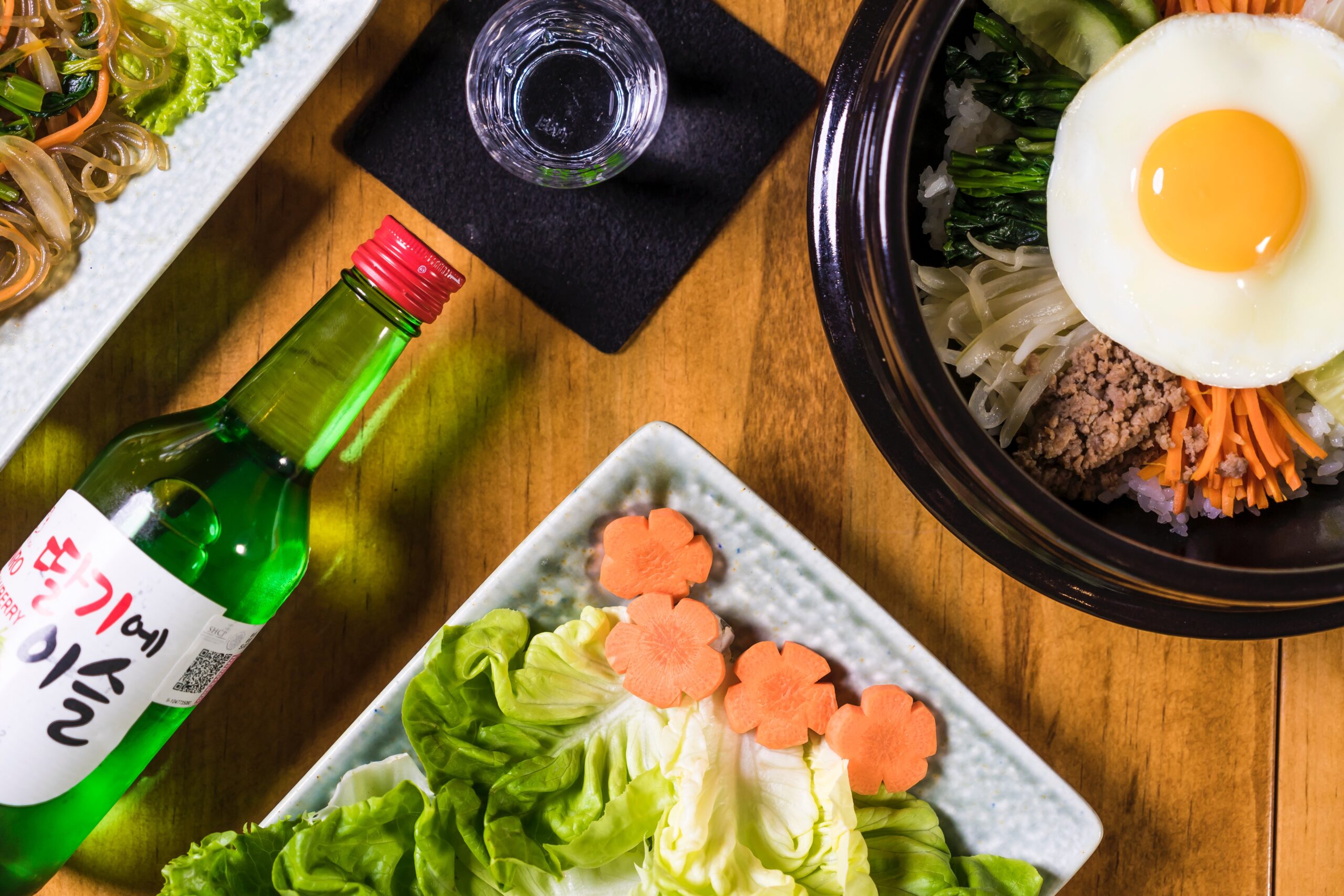
sesame, soy sauce, and red and black peppers. Fish, meat, and poultry
dishes are accompanied by rice and an impressive assortment of small
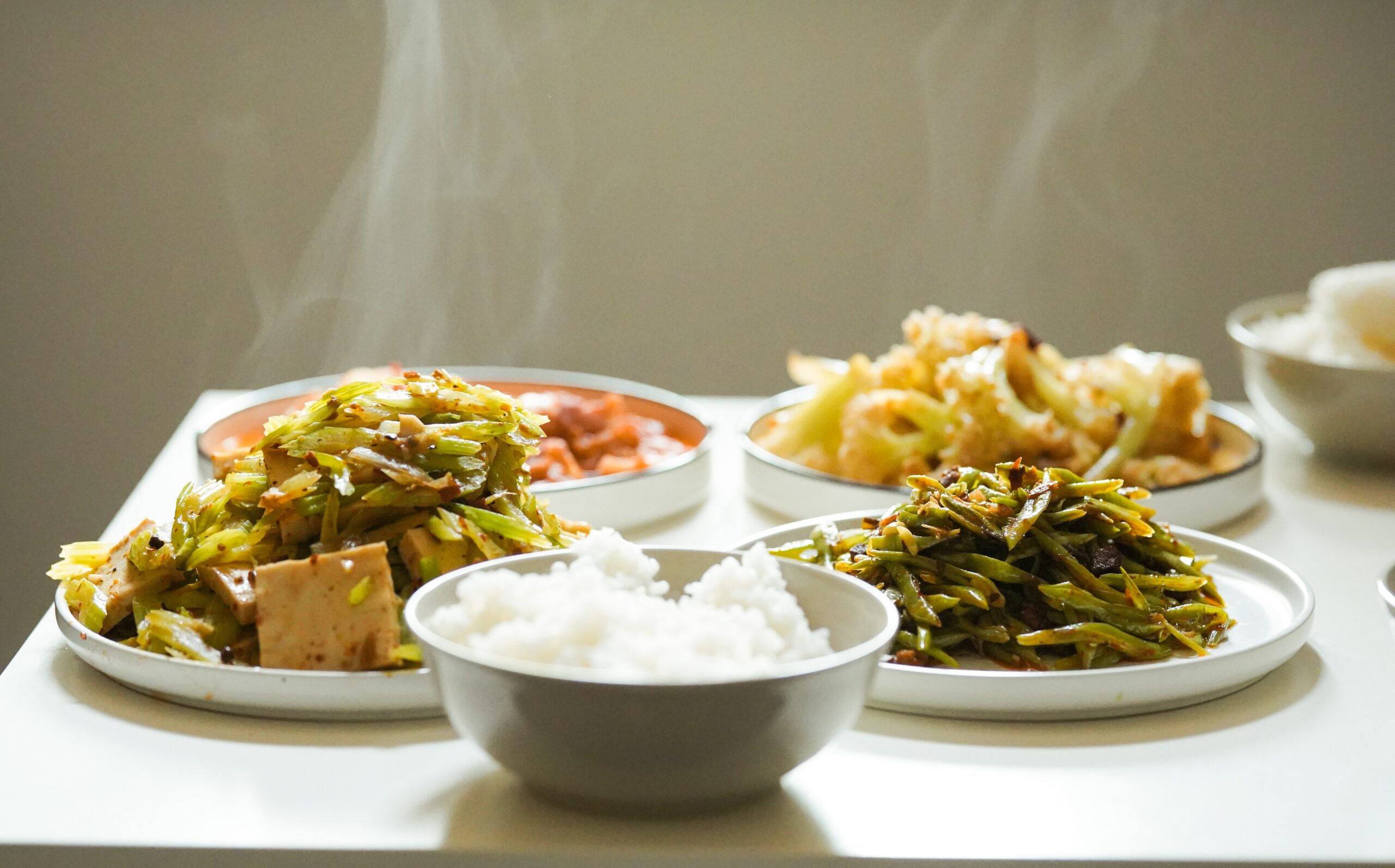
pickled and fresh vegetable, seafood, and meat dishes refereed to
collectively as Ban Chan (Pan Chan).
Korean meals, drinks and seasonings are all made to harmonize with each other as a whole, and individual dishes are changed somewhat depending on the items that they are to be served with. Rather than being an individual meal in the
western sense, traditional Korean foods are thought as a table setting,
with all items served in harmony with each other.
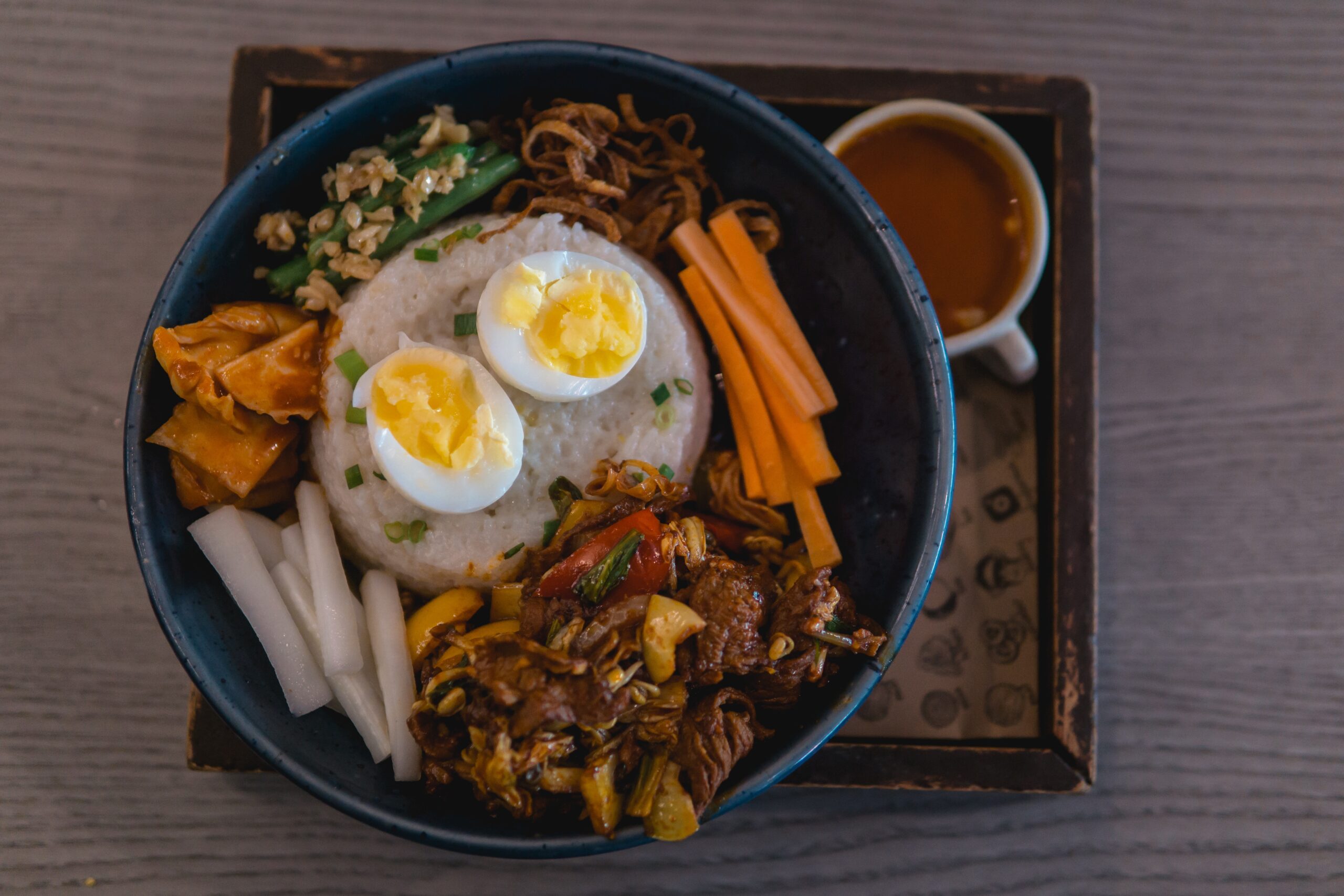
Korean meals are usually based on rice, noodles, vegetables, meats
(including seafood) and tofu. The main dish is normally a shared plate
or large bowl accompanied by rice and a number of side dishes (ban chan)
and is eaten with a set of wooden, silver or stainless steel chopsticks
and a long-handled shallow spoon. While modern Korean homes now have a more western kitchen/dining room with high tables and chairs, often meals will be served to a low table with the diners sitting on cushions on the floor.
Typical Table Setting:
- steamed rice for each person, in a small bowl set to the near left of
the diner.
- hot or cold soup for each person set to the right of the rice. (Not presented when the main dish is served as a large shared dish)
- a set of silverware (chopsticks and spoon) set to the right of the
soup.
- various small dishes of shared ban chan arranged in the center of the
table around the main dish (on larger tables duplicate ban chan are
placed to each end of the main dish).
- warm or iced grain tea (barley or corn)
Table Manners:
Korean table manners are designed primarily to show respect to
elders and/or superiors. Elder persons or those of a higher
rank/station are served first, and no one begins eating until the
eldest or highest ranking person begins.
A few things to remember at a Korean table:
Don't pick up chopsticks or spoon before the eldest/most senior
person.
Don't stick the chopsticks or spoon straight up in the rice bowl. (This
signifies death or a wish for death to someone)
Don't stab foods with chopsticks.
Don't eat with fingers.(Finger foods are an exception)
Do use both hands when offering a dish or drink to another diner.
Don't stir common or shared dishes with your spoon/chopsticks.
Do wait for the Elder/Senior person to finish or dismiss you before leaving the table.
Culture
It is impossible to describe the richness of Korean Culture in this short space. Korean culture has been built over centuries of tradition and has been influenced by relations with the other cultures in the area.
The core of Korean culture is based on family, respect, and responsibility. Elders are respected leaders of the family, responsible for making decisions that affect all members of the family. Deceased ancestors, grand parents, and parents are recognized and honored in annual memorials on the anniversary of their passing.
In traditional homes up to four generations may live in the same family dwelling. The eldest son (or daughter) is expected to assume responsibility for the care of parents when they can no longer provide for themselves. Daughters, when married, are expected to move from their family home and join the husband's family household.
While modern Korean families no longer strictly adhere to tradition, such as young couples moving into their own homes instead of the husband's family home, it still has a tremendous influence on behavior.
Copyright © hannaone.com. This recipe may be freely copied and distributed for private home/non-commercial use. If used commercially consider sending a small monetary gift. If published in any manner, credit to the author with a link to the authors web site is required.